

Let's start with a simple question: Do trees add value to property?
It’s a question that often comes up, especially when people are considering where to build their home.
In many new estates, the answer can feel unclear. Streets are newly formed, blocks are open, and greenery takes time to grow. While landscaping plans are often in place, it can take years for tree cover to begin to shape the experience of living there.
At Ardena Estate, the story is different.
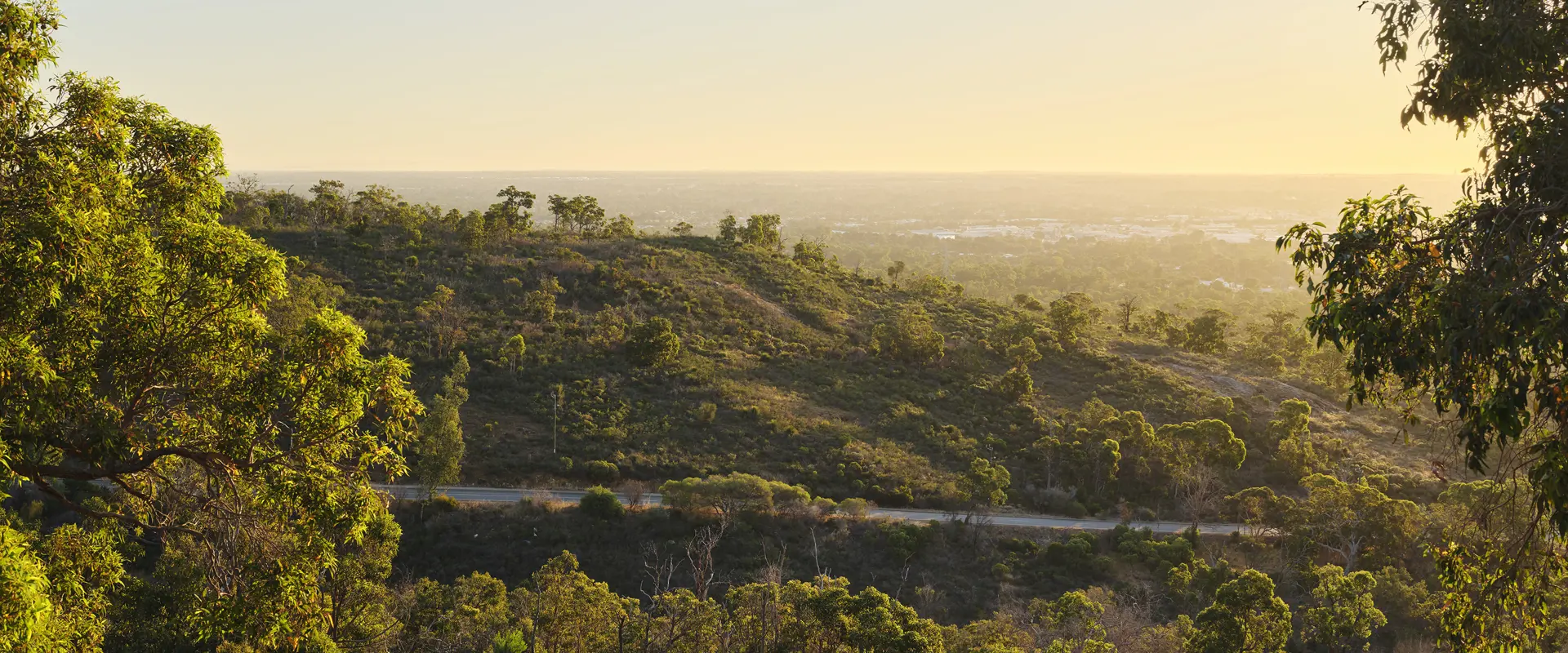
Set amongst the established trees of Wattle Grove, Ardena brings a new energy to the Perth foothills - a neighbourhood that welcomes you with leafy streets, open skies, and generous public spaces. Instead of waiting for greenery to arrive, residents will experience it from the beginning.
Designed with sustainability at its core, Ardena is pursuing 6-Leaf EnviroDevelopment certification and a Waterwise Gold endorsement. Thoughtful landscaping, conservation, and waterwise design are all part of creating a place where nature is not an afterthought, but part of everyday life.
In this article, we explore why trees matter more than people often realise and how they shape how a community feels, functions, and grows over time.
Why Trees Matter in Everyday Living and Property Value
When people ask whether trees add value to property, the conversation often focuses on resale price or visual appeal. But the true value of trees goes far beyond numbers.
Trees influence how a place feels to live in.
They provide shade on a hot summer’s day, helping to regulate temperature and improve comfort. Streets lined with large trees feel cooler, more inviting, and easier to walk through. This natural cooling can also lead to energy savings, reducing the need for artificial cooling in nearby homes.
Trees also help improve air quality by filtering pollutants and creating a healthier environment. They soften noise from surrounding areas and contribute to a quieter, more relaxed atmosphere.
In this way, the value of trees is not just about aesthetics or curb appeal; it’s about how they support daily life, creating a more liveable and enjoyable environment.
The Lifestyle Benefits of Living Among Trees
There’s a noticeable difference between a street with established greenery and one without.
Tree-lined streets encourage people to walk, spend time outdoors, and connect with their surroundings. With positioned trees providing shade and structure, outdoor spaces become more usable throughout the year.
This has a direct impact on lifestyle.
Residents are more likely to:
-
Take regular walks through the neighbourhood
-
Spend time in parks and shared spaces
-
Enjoy outdoor activities close to home
Beyond the physical benefits, there’s also an emotional connection.
Living among trees creates a sense of calm. Research has shown that greenery can reduce stress and support mental well-being. It provides a visual and sensory connection to nature that many people seek when choosing where to live.
In contrast, areas without established landscaping can feel exposed and incomplete, highlighting the importance of thoughtful planting from the outset.
Common Tree Types in Australian Gardens
When we think about living among trees, it’s often the familiar varieties that shape the character of a neighbourhood.
Across Australian gardens, you’ll find a mix of species that not only enhance the landscape but also contribute to how spaces are used and enjoyed. Magnolia trees, for example, are often considered some of the best trees for aesthetic appeal, known for their structure and seasonal colour, while citrus trees bring both greenery and the simple pleasure of growing your own fruit at home.
In warmer areas and tropical climates, palm trees can create a relaxed, resort-style feel, while pine trees add height and texture to the streetscape. Plum trees are often seen in established neighbourhoods, offering shade and seasonal variation throughout the year.
The right mix of trees helps create balance, providing shade, visual interest, and a sense of identity. It’s this thoughtful approach to planting that defines well-designed communities, where landscaping feels intentional and connected to the environment rather than added as an afterthought.
A Greener Environment for Families
For families, the benefits of a well-designed green environment are even more significant.
Children naturally gravitate towards outdoor spaces. Trees create opportunities for exploration, play, and movement in a way that built environments alone cannot.
Shaded areas make parks and streets more comfortable, while open green spaces encourage activity and interaction. This helps create neighbourhoods where people feel comfortable spending time outside, rather than staying indoors.
Tree canopy also contributes to safer, more inviting streets. With greenery softening the environment, spaces feel more welcoming and connected—encouraging community interaction and shared experiences.
In this way, trees don’t just shape the physical environment; they influence how people use and enjoy it.
Health and Wellbeing Benefits of Tree Canopy
The connection between trees and wellbeing is well established.
Access to green space has been linked to improved mental health, reduced stress, and increased physical activity. Simply being near trees can have a calming effect, helping people feel more relaxed and balanced.
In practical terms, this means:
-
Walking paths become more appealing
-
Outdoor areas are used more frequently
-
Every day movement is encouraged
Tree canopy plays a key role in this.
By providing shade, reducing heat, and creating a more comfortable environment, trees make it easier for people to engage with outdoor spaces. This supports both physical and mental wellbeing, contributing to a healthier lifestyle overall.
In communities with limited greenery, the opposite can occur: spaces feel less inviting, and outdoor activity becomes less appealing.
Why Tree Canopy is Rare in New Estates
Despite these benefits, many new developments begin with minimal tree cover.
This is largely due to the nature of urban development. Land is cleared, infrastructure is built, and trees are planted later as part of landscaping plans. While this approach allows for efficient construction, it often means that greenery takes years to establish.
In some cases, tree removal is necessary to prepare land for development. However, without careful consideration, this can lead to environments that feel exposed and lacking in character during the early years.
It also takes time to grow the right trees in the right locations. Poor planning can result in inconsistent growth, limited shade, and a lack of cohesion across the neighbourhood.
This is why early-stage planning is so important.
A strong landscape strategy considers not just what is planted, but how those trees will grow, interact, and contribute to the overall environment over time.
Nature From Day One at Ardena Estate
At Ardena Estate, greenery isn't an afterthought; it’s part of the experience from day one.
The community has been designed to integrate with its natural surroundings, preserving existing tree cover where possible and introducing new plantings that complement the landscape.
Tree-lined streets, green corridors, and open spaces are integral to the design, creating a neighbourhood that feels established and connected from the outset.
Rather than waiting years for mature trees to develop, residents will benefit from a landscape that already reflects the character of the Perth foothills.
This approach is supported by Ardena’s commitment to sustainability, including its pursuit of 6-Leaf EnviroDevelopment certification and Waterwise Gold endorsement. These initiatives focus on conservation, efficient water use, and long-term environmental outcomes, ensuring the community continues to grow responsibly and sustainably.
A Community Designed Around Nature
At Ardena, nature is not just a feature; it’s the foundation of the community.
The presence of trees and green spaces supports walkability, encourages outdoor activity, and fosters connections among residents. It shapes how people move through the neighbourhood, interact, and experience daily life.
From shaded streets to open parklands, every element has been designed to create a sense of space and belonging.
This is what sets Ardena apart.
It’s not just about building homes; it’s about creating an environment where people can thrive, supported by thoughtful landscaping, strong planning, and a connection to the natural world.
The True Value of Trees
When considering property value, it’s easy to focus on numbers - price, growth, and return.
But the true value of trees lies in how they enhance everyday living.
They provide comfort, improve wellbeing, and create environments that people are proud to call home. They contribute to the overall value of a community, not just financially, but socially and emotionally.
For most people, the decision to buy land or build a house is about more than investment. It’s about lifestyle, connection, and the experience of living well.
Ardena offers a rare opportunity to be part of a new community where nature is already established, and where thoughtful design supports long-term liveability.
If you’re looking for a place where greenery, connection, and lifestyle come together, now is the time to explore what Ardena has to offer.
Ready to secure your lot?
If you’re considering making the move, now is the time to take the next step.
Learn more about life in Ardena Estate and register your interest in upcoming land releases.